


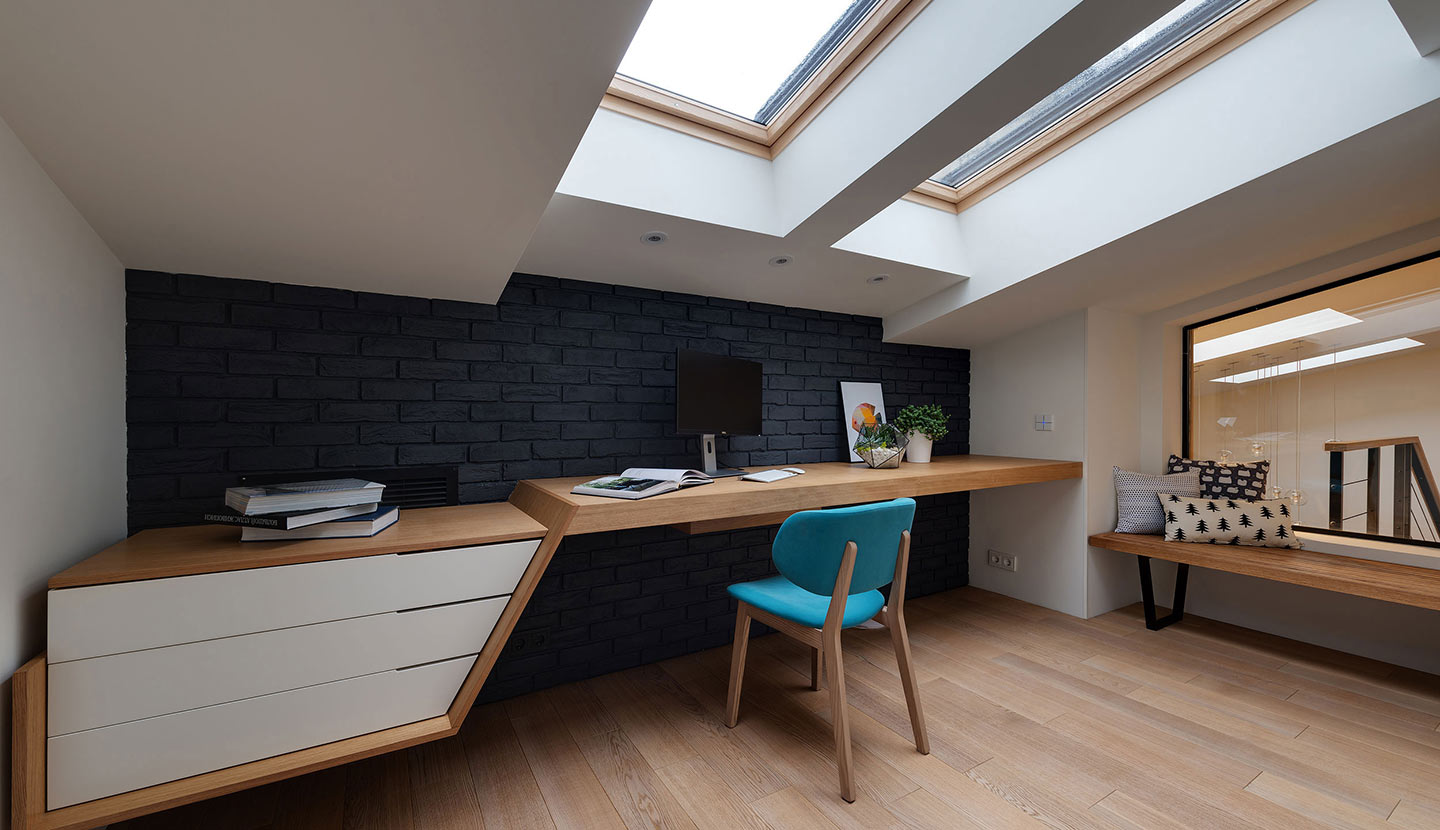




Complete Guide to Successful Home Remodeling and Renovation Projects
Renovating a residence can be an exciting yet challenging endeavor, filled with opportunities for creativity and personalization. As you consider fresh layouts and stylish finishes, having a clear strategy can make all the difference in achieving a space that truly reflects your taste and lifestyle.
Many homeowners often find themselves overwhelmed by the multitude of choices available, from selecting materials to defining color schemes. By employing effective remodeling tactics, you can streamline the process, ensuring that each decision contributes to the overall vision for your dwelling.
This article aims to equip you with practical insights and innovative ideas to transform your environment into a haven of comfort and aesthetic appeal. Embrace the adventure of making your living space an expression of who you are, while also enhancing its functionality for years to come.
Identifying Key Areas for Improvement
Determining which spaces require enhancement is a vital step in any renovation project. Focusing on the right areas can significantly amplify the overall appeal and functionality of a property. Here are some strategies to pinpoint critical locations for upgrades:
- Assess Current Condition: Begin by evaluating the state of each room. Look for signs of wear and tear, outdated designs, or functionalities that no longer serve your needs.
- Prioritize High-Usage Spaces: Kitchens and bathrooms often see the most traffic. Enhancing these areas could yield substantial returns on investment because they play a pivotal role in daily life.
- Consider Energy Efficiency: Areas such as windows, insulation, and appliances may need modernizing for better energy performance. Upgrades in these zones not only boost comfort but can also lower utility bills.
In collaboration with skilled contractors, formulating a plan tailored to these zones can lead to fruitful outcomes. The following steps can be taken:
- Contractor Selection: Choosing the right professionals can make a significant difference. Look for individuals or teams with proven track records and positive reviews, as they can provide valuable insights into which areas merit attention.
- Discuss Your Vision: Communicate your ideas and objectives clearly during initial consultations. This dialogue helps ensure that the contractor understands your priorities and can recommend potential improvements.
- Project Management: Maintain active involvement throughout the process. Regular check-ins can identify any arising issues early, ensuring that each component aligns with the overall vision.
By utilizing these strategies, you can effectively identify which areas of your property should be the focal points for improvement and ensure a streamlined renovation experience.
Budgeting for Your Renovation Project
Effective financial planning is paramount to the success of any remodeling task. A well-thought-out budget not only allocates funds to various enhancements but also ensures that you don’t face unexpected expenses along the way. Start by determining the overall cost, considering both materials and labor. Engage in detailed project management to track expenditures and make adjustments as necessary.
Establish a priority list for your home upgrades. Identify which areas are in most need of improvement and allocate funds accordingly. This helps avoid overspending on less critical components while still allowing you to achieve your primary objectives. Research average costs for materials and labor in your area to create a more accurate estimate.
Allocate a contingency fund–typically around 10-20% of your total budget–for unforeseen expenses that may arise during the process. This safety net will help keep your project on track without financial strain. Additionally, consider seeking multiple quotes from contractors to ensure you’re receiving a fair price, allowing for better budgeting precision. For more insights on plumbing and additional trades, visit https://orangecoastplumbing.info/.
Efficient financing options can also smooth out the budgeting process. Whether through personal savings, loans, or home equity lines of credit, explore various avenues that fit your financial situation. Adopting remodeling tactics that prioritize cost-effectiveness will maximize your return on investment, making your space not only beautiful but functional and economically sound.
Choosing the Right Materials and Finishes
Selecting appropriate supplies and finishes is a pivotal aspect of any transformation project. The choices you make will significantly influence the aesthetics, durability, and functionality of the space. Start by assessing the purpose of each area; for instance, high-moisture zones like kitchens and bathrooms require materials that can withstand humidity and resist mold growth.
Consider the maintenance and longevity of various options. While natural materials such as wood bring warmth and charm, they may demand more upkeep compared to synthetic alternatives. Materials like quartz and porcelain offer robustness that appeals to many homeowners seeking practicality alongside beauty.
Colors and textures play an integral role in determining the mood of a room. Light hues can create a sense of openness, while darker shades may lend sophistication. Combining different finishes can enhance visual interest; think smooth countertops paired with rustic cabinetry to create a balanced look.
Incorporating sustainable materials is a trend gaining momentum, allowing you to accentuate eco-friendly practices within your living spaces. Bamboo flooring and recycled glass tiles are excellent choices that meet both aesthetic desires and environmental considerations.
Working closely with contractors can streamline project management. Their experience will guide you through the myriad options available, ensuring that your selections align with your vision while being mindful of budget constraints. Effective communication about your expectations is essential for achieving satisfying results in your upgrades.
Finally, don’t forget to explore local showrooms or online platforms for samples. Physical touch and firsthand observation of colors and textures can provide clarity that pictures alone often fail to convey. With careful consideration of materials and finishes, you can bring your design aspirations to fruition while enhancing your living environment.
Hiring Professionals vs. DIY: Which is Best for You?
Deciding between enlisting experts or tackling upgrades independently is a significant choice that can greatly impact your outcome. Both approaches bring distinct advantages and challenges that should be carefully weighed against your personal needs and capabilities.
Hiring a professional contractor can streamline the process considerably. These skilled individuals bring specific expertise to project management, ensuring high-quality results. They are familiar with local building codes, regulations, and best practices, which can save you time and prevent costly mistakes. Additionally, contractors often have access to resources and materials that might not be readily available to the public, allowing for smoother operations and potentially better pricing.
On the flip side, undertaking projects yourself can be fulfilling and cost-saving. DIY enthusiasts can enjoy the satisfaction of transforming their space with personal touches. This approach allows for complete control over the pace of the project and decision-making. However, it’s important to realistically assess your skills and the time required to complete the work. Missteps in execution could lead to higher expenses down the line if repairs are needed.
Ultimately, the decision should reflect your budget, comfort level with various tasks, and the complexity of the undertaking. If you feel confident in your abilities and have the necessary time, a DIY approach might be suitable for smaller jobs. Conversely, for larger projects or those requiring specialized skills, contractor selection may be the wiser path for optimal results.
